English
 中文
中文 Español
 русский
 français
 português
 العربية
 Deutsch
 italiano
 한국어
한국어 Polska
×
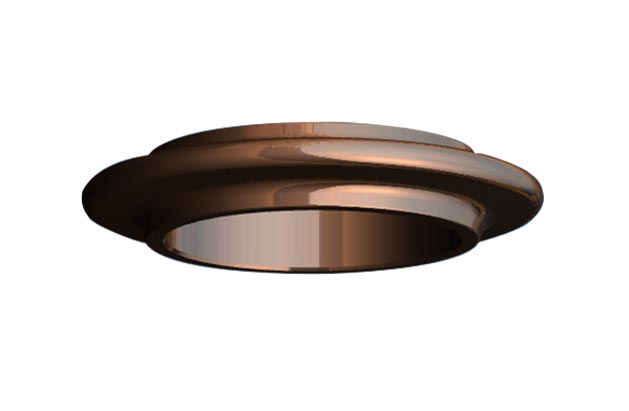
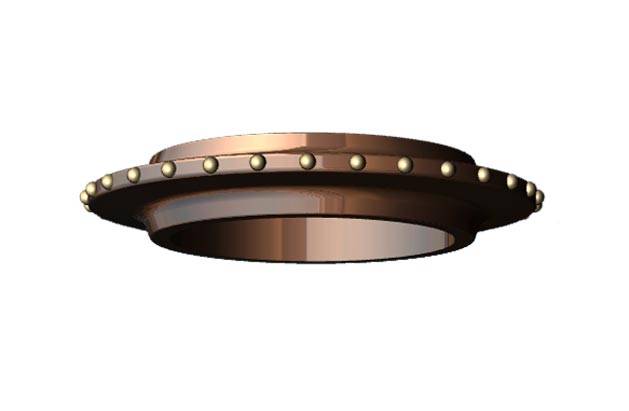
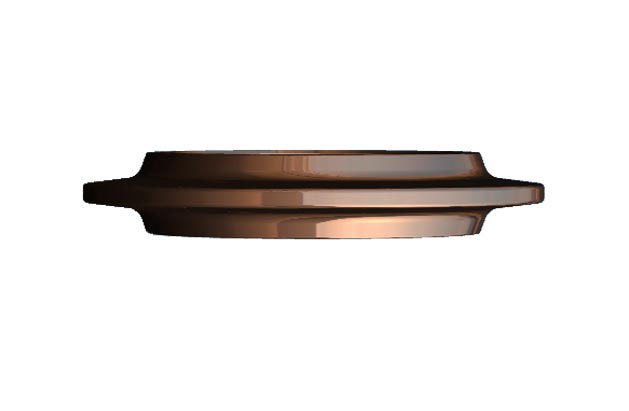
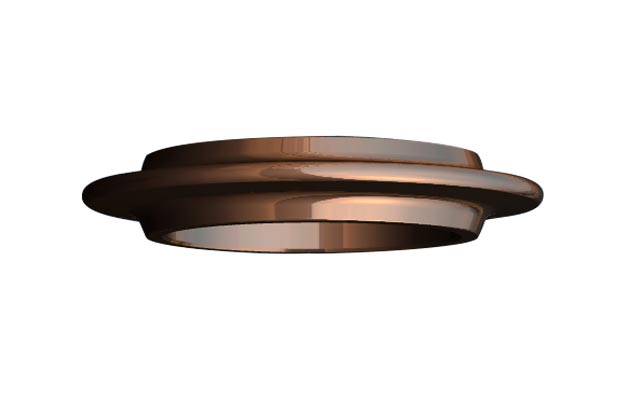
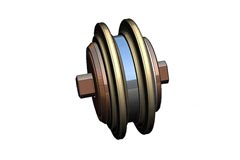
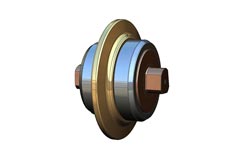
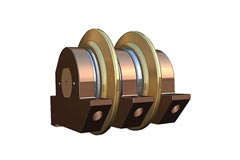
Disc cutter ring is a key component of TBM disc cutters used for rock breaking in tunnel excavation. Installed on the cutter assembly, the cutter ring contacts the rock surface and transfers cutting force to create fractures during TBM operation. Made with wear-resistant materials and optimized for demanding geological conditions, Litian disc cutter rings help maintain stable cutting performance and extend cutter service life.
Litian provides disc cutter rings in a wide range of specifications and material configurations to meet the requirements of different geological conditions and tunneling applications, including TBMs, pipe jacking machines, etc. Through in-depth research on cutter ring materials and optimized processing techniques, Litian improves the hardness and wear resistance of cutting blades, with the cutter hardness reaching HRC60 and service life increased by 30%~50% compared with conventional designs. Different specifications and material configurations allow the disc cutter rings to maintain stable cutting performance under various tunneling conditions.
Specification | 12 inch (305mm) | 15.5 inch (394mm) | 17 inch (432mm) | 18 inch (457mm) | 19 inch (483mm) | 20 inch (508mm) |
Application Range (Cross-section Diameter) | 2~3m | 3~5m | >5m | >6m | >8m | >10m |
Different geological conditions require different disc cutter ring designs. Litian provides various types of disc cutter rings based on rock characteristics, wear requirements and tunneling conditions. By selecting suitable cutter ring structures and materials, customers can achieve better cutting performance, longer service life and improved excavation efficiency.
Optional Cutter Rings | Description |
Standard Cutter Ring | Standard cutter rings are designed for general tunneling conditions where balanced cutting performance and wear resistance are required. They are suitable for projects with moderate rock hardness and standard excavation requirements, providing reliable performance for regular TBM operations. |
HD Cutter Ring | Heavy duty cutter rings are designed for hard and abrasive rock formations where higher wear resistance and impact strength are required. With enhanced durability, they are suitable for demanding tunneling conditions that involve higher cutter loads and more challenging geological environments. |
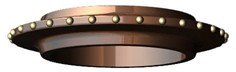
TCI Cutter Ring | Tungsten carbide insert (TCI) cutter rings feature tungsten carbide inserts integrated into the cutting surface to improve wear resistance and cutting durability. They are suitable for highly abrasive rock conditions where extended service life and stable cutting performance are important. |
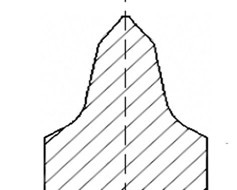
Cutter Ring Blade Shapes | Introduction |
Flat Blade Cutter Ring | Flat blade cutter rings are mainly used in standard cutter rings and are suitable for relatively lower-strength rock formations where balanced cutting performance is required. |
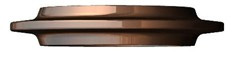
Arc Blade Cutter Ring | Arc blade cutter rings provide improved rock-breaking capability and are commonly used for harder rock formations requiring enhanced penetration performance. |
Chisel Blade Cutter Ring | Chisel blade cutter rings are designed for high-strength hard rock conditions where stronger rock penetration and breaking efficiency are required. |
We can recommend disc cutter rings of different designs and production processes according to the rock working conditions and the arrangement of cutter heads to better meet customer needs.
The manufacturing process of disc cutter rings directly affects their hardness, toughness, wear resistance and overall service life. Litian applies optimized material selection, forging and heat treatment processes to improve the mechanical properties of cutter rings and ensure reliable performance under demanding TBM tunneling conditions.
Litian disc cutter rings are manufactured from high-quality alloy mold steel containing chromium, molybdenum, vanadium, nickel, and other alloying elements, offering good wear resistance, impact toughness, and hardenability.
Through joint development of material grades for standard and heavy-duty cutter rings, Litian optimizes material properties to meet the requirements of different geological conditions.
Litian uses secondary refining and electroslag remelting (ESR) to reduce sulfur and phosphorus impurities and improve material cleanliness, helping ensure reliable cutter ring performance and durability.
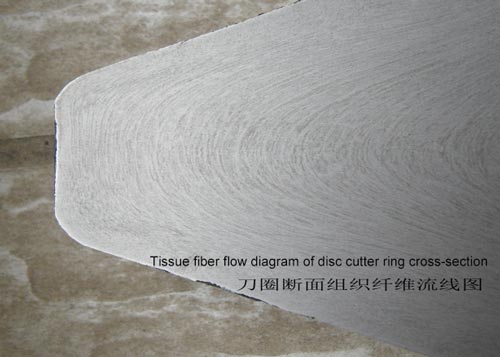
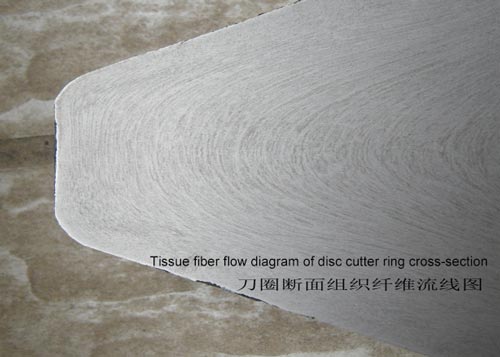
Litian disc cutter rings are manufactured using a ring rolling process, which helps maintain continuous metal grain flow and improve material strength and wear resistance. Compared with conventional closed-die forging, which may disrupt grain flow, ring rolling helps reduce the risk of edge chipping and fracture.

Litian uses German-imported vacuum furnaces and optimized heat treatment processes to minimize surface decarburization, refine the microstructure, and promote a uniform distribution of fine spherical alloy carbides. These processes improve hardness uniformity, wear resistance, and toughness, helping reduce premature wear and extend cutter ring service life under demanding geological conditions.
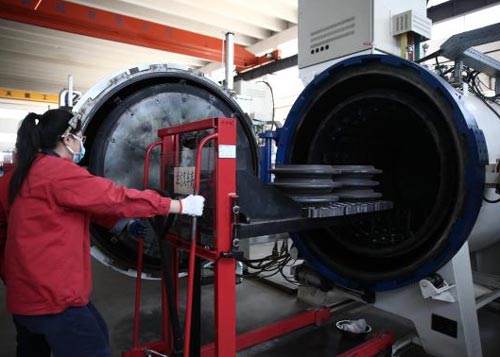
Before delivery, disc cutter rings undergo strict quality inspections to ensure dimensional accuracy, material performance and manufacturing consistency. This quality control process helps ensure reliable cutter performance in different TBM excavation applications.
Selecting the right disc cutter ring requires consideration of geological conditions, cutterhead configuration and expected excavation performance. Different rock formations require different cutter materials, blade shapes and specifications to achieve optimal cutting efficiency and service life.
Rock hardness and abrasiveness directly affect cutter ring wear. Hard and abrasive formations usually require heavy-duty or carbide insert cutter rings with improved wear resistance.
Cutter ring diameter and specifications should match the TBM cutterhead design. Proper matching helps ensure stable cutter operation and efficient rock breaking performance.
Different blade shapes provide different rock-breaking characteristics. Flat blade, arc blade and chisel blade designs can be selected according to rock strength and excavation requirements.
A: A TBM disc cutter ring is the main rock-contacting component of a disc cutter. It penetrates and breaks rock during TBM excavation while transferring cutting force from the cutter to the tunnel face.
Read More: The Working Principle of TBM Cutter Disc Used in Tunnel Engineering
A: The performance of disc cutter rings directly affects rock-breaking efficiency, cutter wear rate and TBM operating stability. Proper cutter ring selection can reduce downtime and improve excavation performance.
Read More: Factors Affecting TBM Cutter Tunneling Efficiency
A: Regular inspection helps identify abnormal wear, cracks and other issues before they affect tunneling performance. Proper maintenance and timely replacement can extend cutter life and reduce operational costs.
Read More: TBM Disc Cutter Inspection and Management
A: A disc cutter ring should be replaced when wear reaches a level that affects cutting performance, increases cutter load or reduces excavation efficiency. Replacement standards depend on cutter position, geological conditions and operating conditions.
Read More: Replacement Standard of TBM Cutting Tools
A: The right disc cutter ring depends on factors including rock hardness, abrasiveness, cutterhead design and excavation requirements. Hard and abrasive formations usually require cutter rings with higher wear resistance and stronger impact resistance.
A: Customers should provide information such as TBM cutterhead specifications, required cutter ring size, geological conditions and project requirements. This helps ensure the recommended cutter ring matches the actual working environment.



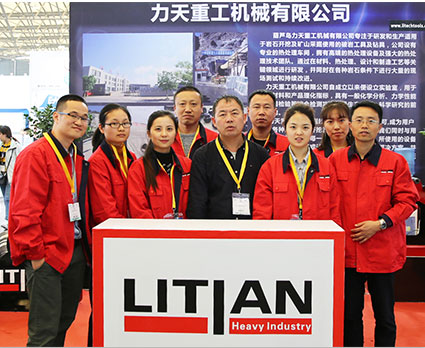
Litian is a professional manufacturer focused on the production of rock drilling tools and excavation tools.
Learn More >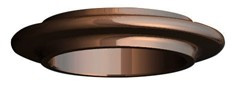
-cutter-ring.jpg "Flat Blade Cutter Ring")
-cutter-ring.jpg "Arc Blade Cutter Ring")